On how any man can break under Capitalist Patriarchy and issuing a public apology to the boy at taco bell
The hungrier I've gotten as I can't afford groceries right now the more I've started to have more interesting perspectives on the ways people treat each other during desperate times. Like, I literally have to go all day without eating as I deliver food because I am waiting to pay my mortgage/hoa fees and still haven't made enough money to do so.
I came to realize this late afternoon that while it definitely was the most effective way to deliver the message or meaning that I am not a girl that I owe a public apology to the young man at taco bell who I grew frustrated with and said, “alright, miss” to when what I should have been doing was standing up to his manager and saying, that boy ain't no dumb kid. You think just because he works at Taco Bell that he is dumb? That is no way to speak about a kid. He has his whole life ahead of him, and you just called him some dumb kid and that kind of shit matters. Now he is going to go about thinking he is just some dumb kid instead of taking ownshership over his actions, including the smart moves.
I don't know why he has a job at taco bell as a young person - maybe it is like me as an old man trying to feed his family. Maybe he is saving for college. But that kid ain't no dumb kid. I should have stuck up for him instead of bullying him with his manager just because he was bullying me as some part of patriarchal domination in a capitalist society.
Anyhow, if you're reading this- I'm sorry I called you a girl, not that there is anything wrong with being a girl, and that I didn't stick up for you to your manager. Sometimes I wish I was better and didn't get frustrated at people and could always say the exact right thing at the right time.
Ain't Nothing But a Heartbreak
It first alarmed me when a reporter from the Pioneer Press informed me that I am a member of the ruling class. I did not understand how this could be possible as a person who has lived in poverty most of my life. I was not even curious what kind of privileges it allowed me. I did not see myself as a person who had privileges beyond being white and educated. Yet American society is ruled by its class-system, even if I had been treated like a second-class citizen most of my life for being queer.
This is not going to be a tristé on what my life in my family was like with my dad as a politician because there really was very little role. I did not live here until his last terms. I had very little involvement with their lives. I saw them so little not much can be said about it at all. All I know is that the policies he put forth and voted on about the queer community directly harmed me as an individual. There is a legislative record of this that he cannot change or lie about and tell me otherwise.
He does a lot of that.
I think a psychologist might wonder why he choose lie about it if he was actually proud of his decision or if he thought it was right.
He actually called me up on the phone about a couple of them, and I said his views were wrong, and he still looked for a compromise like having queer people drive up to 50 miles for a photographer or cake or other service when not everyone has those capabilities or resources. When he asked about the bathroom bill, I told him someone with PTSD might have a hard time in their correct sex bathroom, and that men's bathrooms can be dangerous, but that shouldn't stop trans kids from being allowed to use the bathroom. I do not believe I had much of an impact on changing his vote, only on his oration. He literally used me as a political pawn for his political beliefs. Yet still, here a reporter from the Pioneer Press was calling me a member of the ruling class, and I still do not know what that means.
I’m not going to write a book about this, though.
Topic Transition
This is a collaborative conversation.
Recently, I came to the realization that some may be asking why I blog about being trans and issues affecting our communities so much on a writer's blog, and I thought to answer this question.
The reason it is important for a voice or voices to come forth and speak on a specific or particular experience from lived experiences is that oftentimes people do not encounter the language for their own experiences until they hear it in another's.
Furthermore, some communities have very little representation and others are exposed to them very little.
Exposure is the best way to combat harmful biases, practices, and ideologies.
Additionally, in a space like my blog, I am being a willing participant in divulging what I feel comfortable sharing.
Each trans person has a different experience and cultural reference point.
Dear Francine Rivers
My father quoted the first lines of the book Red Rising: “I would have lived in peace. But my enemies brought me war.” In that moment, I should have understood how he viewed me—as an enemy—not as someone who had come in peace to visit family. I am trying to recall the exact moment he said this line to really capture the essence of how this event this past weekend started. My brother and I were discussing books—my brother recommended this book. My brother had explained it was about how different groups were caste into colors in society and how the reds were slaves to the golds who were seen as more intelligent. The reds were sent off to the desert to see who would survive. The MC is a red who is especially vindictive. The books are about the red rising.
I suppose I should not be writing this, having heard him share that with me, but I do not let fear dictate my actions. He is really into those books. That is the reason I picked up the book—to try to gain some perspective. I also especially love science fiction and fantasy. I recommended Not A Lot of Reasons to Sing But Enough to him and pondered if it was a reflection on Minneapolis as a prison colony. I think having read The Message that I should have understood the warning in my mom's words when she told me the story about this author whose son had died in prison because they refused to give him his medicine.
For me, I could only understand it from my point of view where transgender patients are being denied hormones in prisons. Hormones are essential care. They are necessary for the body to function. For many people like me who have received procedures in which they no longer really produce hormones, we actually need to be provided with hormones in order to function. Without hormones, the body can start failing, resulting in organ failure, and even death.
This concept came home suddenly when I arrived at home from my abruptly cut short trip up North and my medication—my hormones that are essential for me to live—were no longer in my dufflebag. While it is possible that they were actually simply left behind in the bathroom where I last applied them, it is also probable that when I responded a way my parents did not like that they actually removed them because they do not agree that I need them because they do not understand science and believe a certain way about transsexuals and women. As far as women go, they believe that women are meant to be smaller and weaker and have babies, even if their bodies are not born that way naturally. As far as transsexuals go, they believe they are women and do not understand that testosterone can actually be used as either hormone depending on the dosage and that it has many health-related benefits in hormone replacement therapy for menopause as well. Some people simply do not like its side effects of a lower voice and growing facial and body hair if they are not men.
Additionally, testosterone has been used in the treatment of cancer. With all the benefits the possible research that is coming from the studies of medications and procedures being performed on transgender patients if consenting when having, I really am surprised by the maltreatment of us.
It is also probable that my parents removed it in order to coerce another meeting with my dad or brother who are not respecting my humanity by withholding medicine that is necessary for me to live. As a regulated substance, it cannot be mailed, and it is very hard to get another prescription. When I called the nurses’ hotline and informed them about what was happening, they told me to report it as “lost or stolen medication” to the police, though they understood the seriousness and my feelings that it was attempted murder if it was taken and withheld not left.
My mother did end up meeting me, after much persuasion about its seriousness, and returned my medication, though we met near the prison in St. Cloud. It was a little as if either one of us was coming or going from prison like our recommended books. I hope she understands why I see her as the hero of your story, for fighting to bring us our hormones in prison.
Periphery
As I drove away from my parents’ house tonight, I could not stop saying to myself: God, I can't believe I let myself trust them. As the saying goes, insanity is doing the same thing over and over and expecting different results.
It was a couple days in and I finally got tired of my dad saying the wrong gender. I wasn't around him as much as my mom and had thought that after having a conversation early on about the importance of using the correct gender for me and my sibling J and correcting oneself when making mistakes that it would stop, but it turns out, that is just where my mom has finally arrived right now. My dad is at the place where he thinks he can do and say whatever he wants in his house because he is the master of his house.
I suppose I should not have been surprised to hear this master/slave language, and I called him out on it. My brother Josh immediately backed him up when I challenged that he actually can't just treat me however he wants and that I am a human worthy of respect and that he is disrespecting my personhood by saying: “you can't control how other people treat you; only how you respond.” So, I said I was going to leave because I was not going to be treated that way by anybody. My dad said who I am is a choice like his choice to say what he wants, and I was like, who I am is a person; a human; it's not the same. You're choosing to treat my as less than. It's abuse. Josh tried to dispute my assertions that me being male and human were a madeup language, despite the overwhelming scientific evidence in contrast to his religious studies. While theoretically the idea that sex is a madeup language is correct, that is not what he was saying. Thus, I continued to maintain, though it should not matter, that this is a legal status, and I will not be treated this way.
I'm really not sure why I thought it would be different this time. Maybe because I tried to be vulnerable and open up about how the in-fighting in my own community can be so alienating and frustrating. This dates back to Silvia Riverra, maybe further.
We tried to discuss how there can be differences among different communities and people groups. It's like we could engage in polite civil discourse until I asked them to respect my personhood, then they downright refused. I don't know why I think they'll get it one day that they can be polite about politics all they want, but they are not treating me like a human just because they let me share my views on social issues. I deserve to be respected for who I am. Who I am is not defined by them or their views or who they are.
My mom seemed to get the bigger picture here when she inserted as I was leaving: “HE is ACTUALLY here.” Like she understood how big it is for me to come around and gets who is coming around. I'm around when I'm around. I'm not on my phone. I'm in the room with the people I am with and trying to be part of their lives. Maybe one day they'll see that family is more than origin or paper and respect me for who I am.
Oh, the places you'll go (not so invisible)
I'm skipping Pride in Minneapolis this year (2026). At first, I was not sure why, then I realized I don't really feel connected to my community. I'm not sure if it is because a couple of my friends have moved over the past couple of years, or because I have made what efforts I can to connect with my community and feel like they have not made the same. It's not like I feel like they owe me, though I have supported the local artists and contributed to mutual aids and given away free art and was used as a political tool as one of the main impetuses for the ban on conversion therapy and the passing of the trans refuge bill. It's also not just the queer community in which I have been a co-conspirator either.
Yet oftentimes I feel like they treat me like I do not exist, or worse, like they hate me.
Similar to my feelings about how Minnesota has treated me as a transexual, I will not be in the US to celebrate the 250th Anniversary. These declarations were made for the freedom, justice, and equality of all, and our country has failed to live up to that promise. We are meant to be able to pursue liberty and happiness.
I have often wondered what liberty and happiness means for everyone, and one of the things that the UN has settled on as a right for humankind is the freedom of movement unrestrained. This right is something that has been horrifically stripped away from my trans siblings these past couple of years in the United States.
I do not understand why my community in Minnesota does not treat me like an equal, yet I know what is happening in our country is beyond a reasonable doubt without defense.
I hope as I travel to find fellowship with fellow artists and nature enthusiasts.
ActiVe Regional differences
A Dean I once had asked me if I felt like a slave while working as a Lecturer at the University of Tennessee, and I said, “I guess,” when really I should have said that I felt like an activist. I guess I wasn't sure how to respond as a person who had been working 3 jobs and being paid at the poverty level. Education is valued differently in the South. You're even credentialled differently, though you do the same work at one of the top research institutes in the nation.
I am not sure why there are these regional differences in the transferring of credentials between states, or why Southern teachers are paid less, but I do know why I felt like an activist. During the Civil Rights, students and teachers were activists, and I was teaching research into American Rights. I was constantly being challenged by authority figures or tracked down for even the slightest infraction, even ones that technically were not because I had a parking pass and for all the times they tracked my car down to ticket me if it was not displayed 100% correctly or if my meter had just run out, they should have known this and my vehicle.
Dr. Martin Luther King, Jr. once talked about the importance of dressing in your Sunday best to protest, and I had observed what was considered appropriate and fashionable for my status and started dressing that way. I even started using my full name like some of my colleagues.
My landlord finally came down on me when I denied the advances of his friend when he realized I was a lesbian (now a trans man) and served me a non-renewal lease. I realized I was no longer safe in TN as a single person living alone with little to no community.
At the time, I had lost almost all ties with my past because of a glitch with my phone that caused my contacts to be wiped, for better or worse. At the time, I tried to rebuild after a lot of hurt had been done. I had not realized I was developing a double-consciousness.
I've had several glitches with my phones these past few years where I've lost my contacts or phone or I've ‘had to start over’ and none have had the same impact. I think because I have already changed so much.
The thing that has had the most impact on me recently are these dreams I've been having recently. I don't know where they're coming from - sometimes I'll dream I'm tripping, but I never have, and I swear I'm sober. But it's like that. It's like tripping and becoming conscious of a reality that exists outside your reality and really having no control over it but wondering what it has to teach you. Sometimes I ask and receive no answers. Sometimes I receive a word like patience, endurance, and virtue.
& the wheel goes rOund
I'm still up a little early, and I am going to go back to bed, but I slept well last night. Hades is being cute AF right now. I still have a runny and stuffed nose and a cough, but my chest doesn't hurt as bad. I don't think I've ever had a fever so bad that I thought I might actually die. People do die from fevers. I'm still not certain about the underlying cause or how much time that means I have left.
Was I really exposed to a bloodborne pathogen? When? How?
I mean, it can't just be as simple as being in the same room as someone. That doesn't seem right and would be so stigmatizing.
A tattoo then?
I don't drink. I don't do drugs. I haven't had sex in a couple years. & I get screened regularly.
Still, that's what the urgent care doctor's computer said when I screenspied- that I had been exposed to a bloodborne illness.
I'm not even sure what that means!
I went into work today to try to explain that until I get bloodwork done to confirm this that I do not feel comfortable exposing others to a possibly infectious disease that has been left untreated and that today was the first day I felt well enough to drive into work to show them that I had been at the doctor's last Tuesday and been diagnosed with Gastritis. They told me that unless I was able to get a doctor to fill out the paperwork saying that I needed the time off between now and when I confirmed that I am or am not infectious that basically they would have to let me go for being absent.
I also still need to get an MRI! What a mess with all these swoppings of insurances. Can't go to this clinic, have to go to this other clinic now and get a new referral. Yes, this is because a neurologist suspects that it is possible that there are tumors in my brain or that I have had past seizures and wants to be certain either way.
This is so f*cked up! How long must I wait to get my health figured out. I've suspected small seizures since 2017.
Fortunately, I'll be going to the doctor who treated the fungal infection back then and made it go away.
Let's hope they actually treat my physical health this time instead of blaming it on my mental health and doing nothing about it.
Urgent Care, Pepcid, and A Phone Update from the couch
I think I'm interested why so many ppl are interested in ppl who are not interested in them. I guess I'm also interested in these crazy fan theories. I would say it's that these people have nothing better to do, except I read that book about the fan of the trans rockstar, and she actually had a lot of doors open to her. I'm also interested in these celebrities who write about stuff they know nothing about personally. Like, so many people are inspired to go into a field because someone they knew dealt with something, but here you have these celebrities who will create entire alter egos based on something they know nothing about. Then, they inspire entire generations to be like that alter ego. Take Harry Potter for example. JK Rowling dreamt that boy on a train and wrote an entire series about him taking a train to learn magic. Harry Potter is JK Rowling's alter ego she knows nothing about. Musicians have these, too. Like Sasha Fierce. Musicians will dedicate entire albums to exploring these alters. If they're lucky, it's not their entire career.
Please check out the casted Harry Potter on the Trevor Project and their CEO Jayme Black today if you get the chance 🖤
dostoevsky: This One is An Unusual Suspect
I am wearing my Savage X Fenty therapy shirt. I am in a basement. I did not think earlier when putting it on about being in my therapy shirt; it is my shirt for encouraging my friends with different abilities that they are sexy, too—aesthetically so.
But as I got to Caribou, listening to my Grimes Art Angels album, I realized I was in therapy with myself in my head. I was trying to feel good. I was trying to be quiet from the noise. I was trying to be healthy.
My friends and I are trying to figure out why we are all sick.
I did not consent to this, whatever this sick is. I feel like someone is performing an experiment on me. I don’t know if it would help to keep track of day the alterations in my mind/body happen (fatigue, mainly). It’s not everyday. It feels like I’m being drugged. I want to keep track to see if it has anything to do with my meds or mental health. I’m not sure that it does since there have not been any real changes in the factors affecting these two things in awhile, other than that there is more sunshine.
I feel hot.
Maybe it is just the weather.
It’s just so peculiar that I had to replace a dog leash that went missing.
My bedroom is still messy, though. It could be there.
Maybe I am actually sick.
Would they tell me if I was sick?
People have all these weird and interesting sayings like ‘decluttering your house helps declutter your mind’ and ‘don’t let anyone live rent free in your mind.’
I woke up in my briefs. I think I slept in my briefs. It was a little unsettling. But I remember getting up to eat a bunch of chocolate au pains because I was hungry. I got up every hour or so afterward and smoked a cigarette.
I’m still a little concerned that someone might be breaking in since I found my pillow on the floor where the dog lays, but I have not seen anybody.
I’m smoking cigarettes today. It reminds me of back in TN, but that is not why I am doing it. I am doing it because my car is broke and cigar shops are too far to walk. I don’t know how many cars or car problems I have had and phone problems. It’s unfortunate because I chainsmoke like a motherfucker, and it is really bad for my health.
I think as long as I can think and talk about stuff other than tobacco it’ll be okay. That was the fascinating thing about my cigar/pipe habit; it consumed a lot of time, money, and attention. I would never have been able to write this much with a cigar.
I don’t know if I should keep time stamp entries to keep track of how long it takes me to write as I often do with texts to make sure or to see how much time is passing. I’m not sure why it is important for me to know that I am not losing time, or what human being's obsessions is with time. I think for many it is the fear of missing out; they want to be in so many places at once that they can hardly be in one place at all.
For me, it is wanting to know that I am not missing moments in this space and time.
I do not know what kind of birds those are that sing in the trees, but when you can hear them on a summer’s day, against the drilling of construction, the honking of locking cars, the sirens,
oh, I forget now. my neighbor was walking her dog. And spoke to her dog, “come on, dude.”
and in that moment you know you are in a place.
I’m at the casino
I’m taking a bus
I’m smoking a cigarette
I’m drinking a ginger ale
It’s hot
It’s so godawful hot
I don’t know why I keep burning up at work
The ac keeps the place cool
I walked to the bus stop in this godawful
heat
The buses are hard to find out here
if you don’t know where to look
I took a gamble on the ginger ale
People Are Fallible.
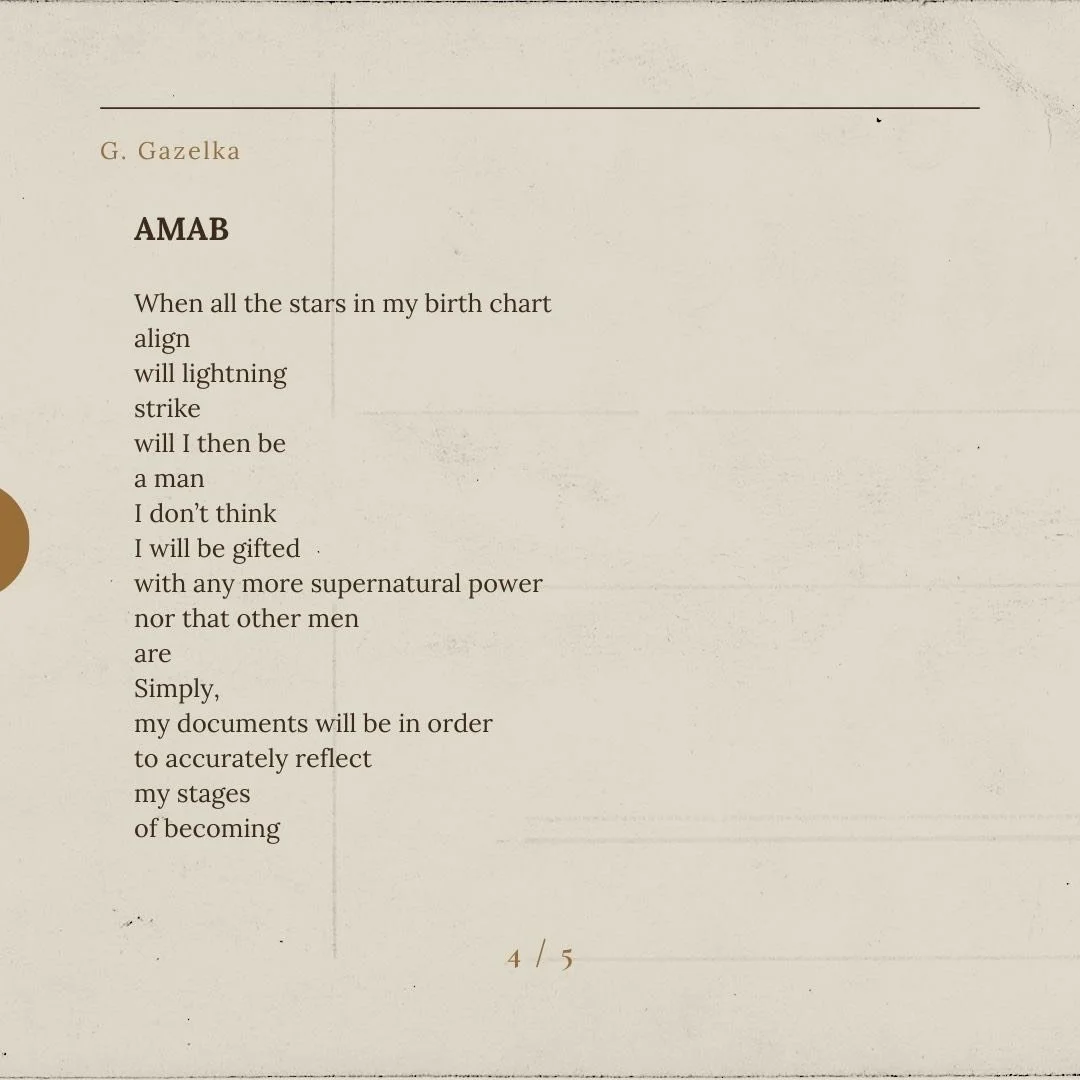
VI. People are FALLIBLE. If one makes a mistake, one should do one’s best to rectify it and resolve any harm that might have been caused. — The Satanic Temple
Look up
I’ve gotten ‘sober’ a couple times in my life and followed the AA steps of reaching out and making amends, so this isn’t new to me, but I am going to take a look at it from a different approach, especially since this reflection isn’t about getting sober. I have been sober for a really long time. It’s that I have identified a set of principles or guidelines that actually seem reasonable and respectable. I’m not going to fight about whether or not the drink has ever given me a problem. I think with any substance it is so easy for any person to lose themselves in it. It’s more I have not really drank much in so long that it’s just not something that I think about much. A lot of the quips I make about addiction are really about the feelings of being in love, but I read this excellent quote on social media this morning that said it is unnatural for the heart to live not sick with love. So, maybe I’ve been looking at this all wrong and shutting myself off to the full range of emotions all because of conversion therapy/my parents saying that gay is an addiction. I also try to be respectful of relationships and love in a way that does not violate or cross boundaries. Sometimes, it is really hard to know what 2 people want in any give situation if they do not say. Anyhow, that is not what I meant to write about as a fallible belief, just something that I’m realizing—it is okay for me to feel sick in love.
What I mean to rectify is that while I believe that each and every one of us has the divine in us, I believe that the Divine is something greater than us. I think so often because we are made of divine particles and to create like the Creator that people trick themselves into thinking like Descartes that they thought this entire world into existence. I like in the movie Fahrenheit how each person memorizes a novel or many novels so it lives on and they become that story. In many ways, that is how many people are—reiterations of many novels and stories that have already been shared. I think I recognized the truth in this when I read the song lyrics of the Senses Fail album and thought of some of my earlier blogs and poetry. God, I was such an emo boy.
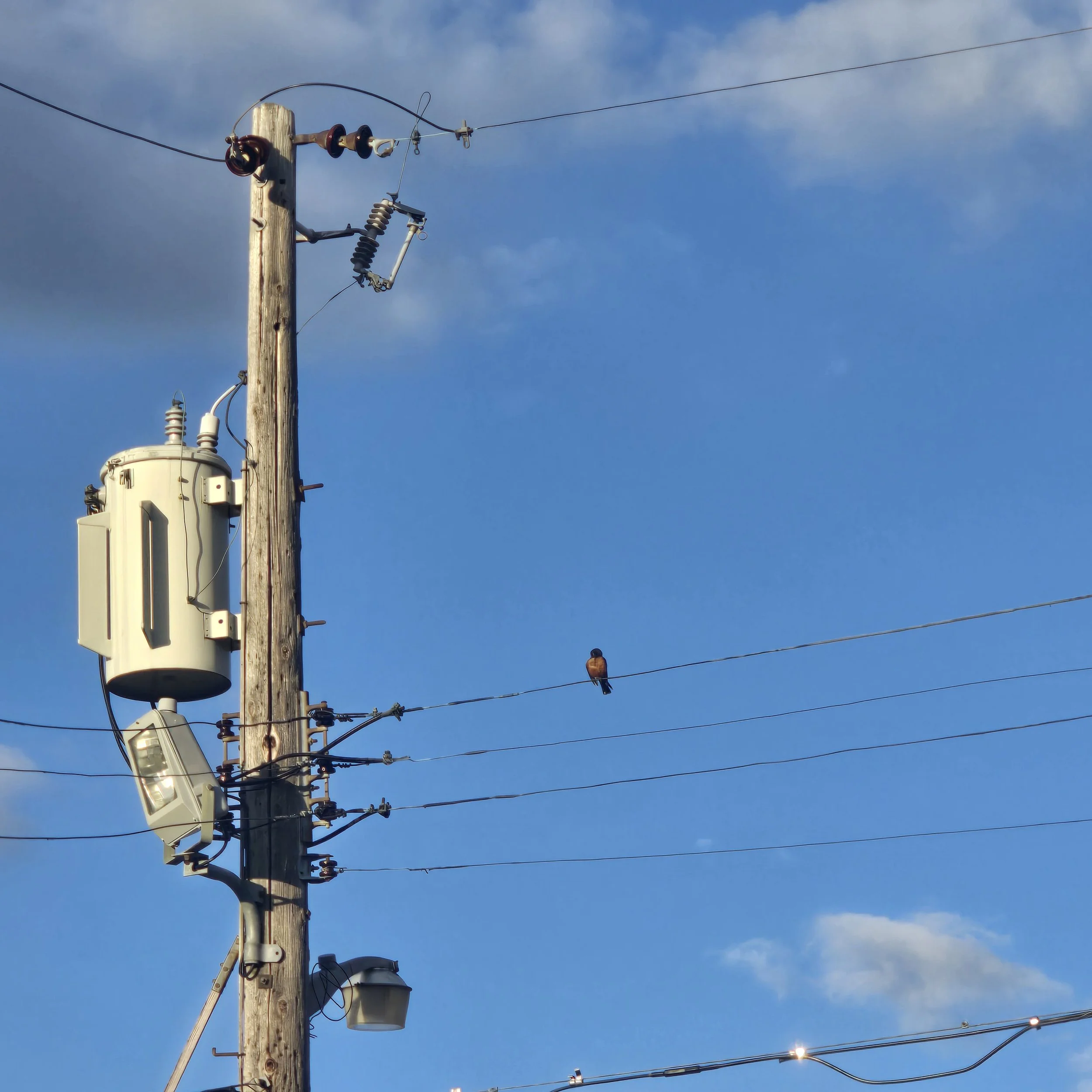
I saw this mother bird roosting on a power line watching over her baby birds nested in a tree
& to image that someone has recreated my art in their lives. Wow. It’s scary. It’s beautiful.
Rorschach Buttons
Sometimes, I think objects work like one giant Rorschach test.
Yesterday, I used a clip from a preview for Peripheral to help my female friends understand when they are viewing my Story on social media they are in essence playing in a simulation as me. In the clip from the tv show, the brother is given a beta VR headset to test but wants his sister to play as his avatar since she is much better at it. In the clip I play, they are counting back from ten, and she is going on as his avatar before I transition into pictures from my life from my POV. I want them to understand as they view, since sometimes I feel their strange reflections are an attempt to interpret 'me.'
In the tv show, the brother is psychically linked to others in his combat squad by a piece of tech called 'haptics.' They can tune these and know how each other is feeling or what they are experiencing. This is a little like trans people, especially those of us who have had the modifications. The mods really fuck them up and not just physically, though, but knowing what each other feels.
Today, the song that I used to accompany the simulation of my POV, "Something is Happening and I May Not Understand But I'm Happy to Stand for the Understanding (Awakening)" by André 3000 from Transa, started playing just as I got in my vehicle. It's a song my mom said sounded like a videogame, and I realized that some force out there was trying to flip the script and pretend like I was the sister Flynn playing as the brother in my life as a virtual reality that is actually the future. It tripped me out for a second - only a second before I recalled that my hands are the same size as the Muslim man's at work - M, then my hands went right back to the way they normally look. They're an artist's hands, but I had imagined them frailer and smaller than they actually are.
It's interesting how people perceive things- as if I had perceived women or the essence of femininity as frailer and smaller than me. This is such a masculine way of viewing.
Today, I got the little "Senorita" cigars by Ashton because they were cheaper and had the most in the pack, and some man said he had not imagined the power of the force, and all I could think is, sure, dude, at least now I'm smoking a woman. It's funny how we must justify things in our heads. I would never buy these cigars normally because of what they are called. They were just good quality and cheaper, and maybe that is what makes me a man.
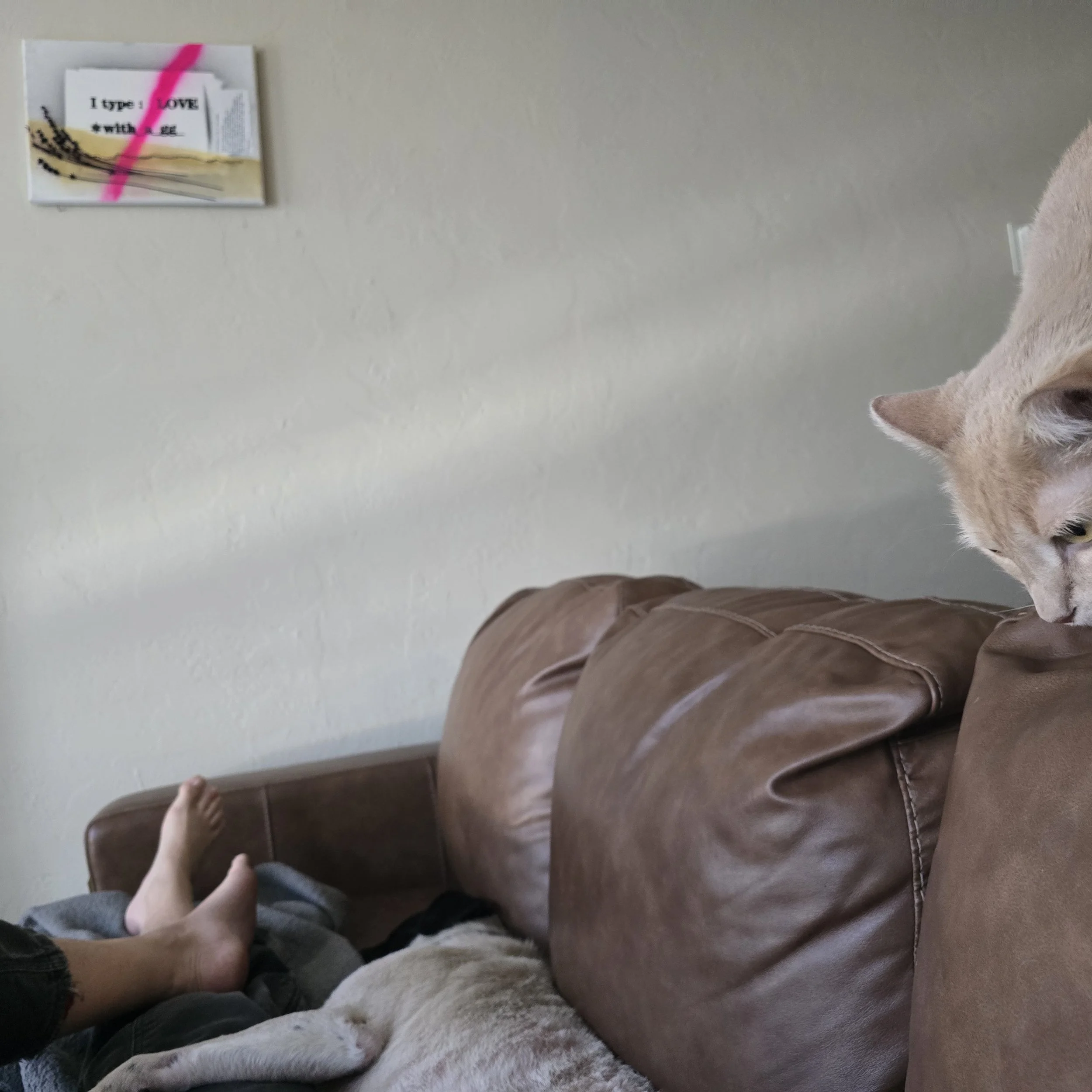
At home, there are two items in my living room that I find perpetual amusement and irritation with in my living room that always seem to end up in pictures: my broken vacuum and the cat pole my friend bought for Lucy. There really is nowhere to put the vacuum but the trash, yet I think of the Rorschach test, and vacuums and vacuuming make me think of the vacuum process in abortions. It's odd really; I'm not sure how that association came to be in my head. And every time I see Lucy on that cat pole, I'm like, baby kitty, what did daddy tell you about climbing stripper poles! Then, I laugh, and am just happy that she is not tearing up my leather couch.
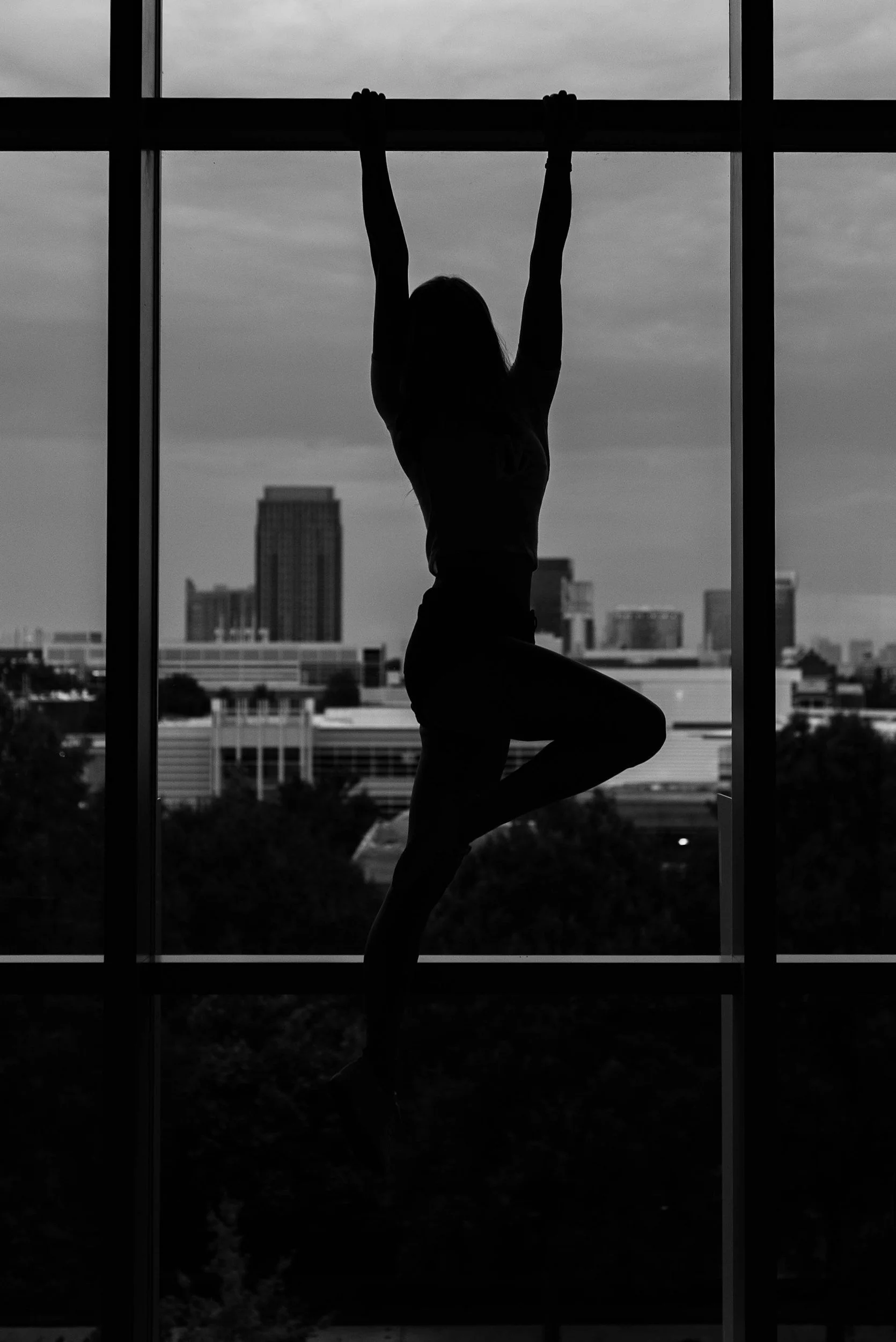
I think of Getrude Stein's Tender Buttons and her poems on objects and wonder if she laughed when she wrote that lily whites who exhaust noise and surface and dust and dirt any surface for no necessary reason need a catalogue.
1st Generation Internet Kid
“You’ll have a chance at true freedom—of body and soul.” --Sabaa Tahir, An Ember in the Ashes
In 1981, Jean Baudrillard postulated that we were creating a “hyperreality” where simulations of reality precede and define the real, rendering the real and original indiscoverable. He suggested that had replaced reality with symbols, signs, and media representations.
In 2012, Instagram rose in popularity, and like many by 2014, I became a pretty heavy user of it and witnessed the creation of this “hyperreality.”
At what point did we just stop giving a damn about our friends?
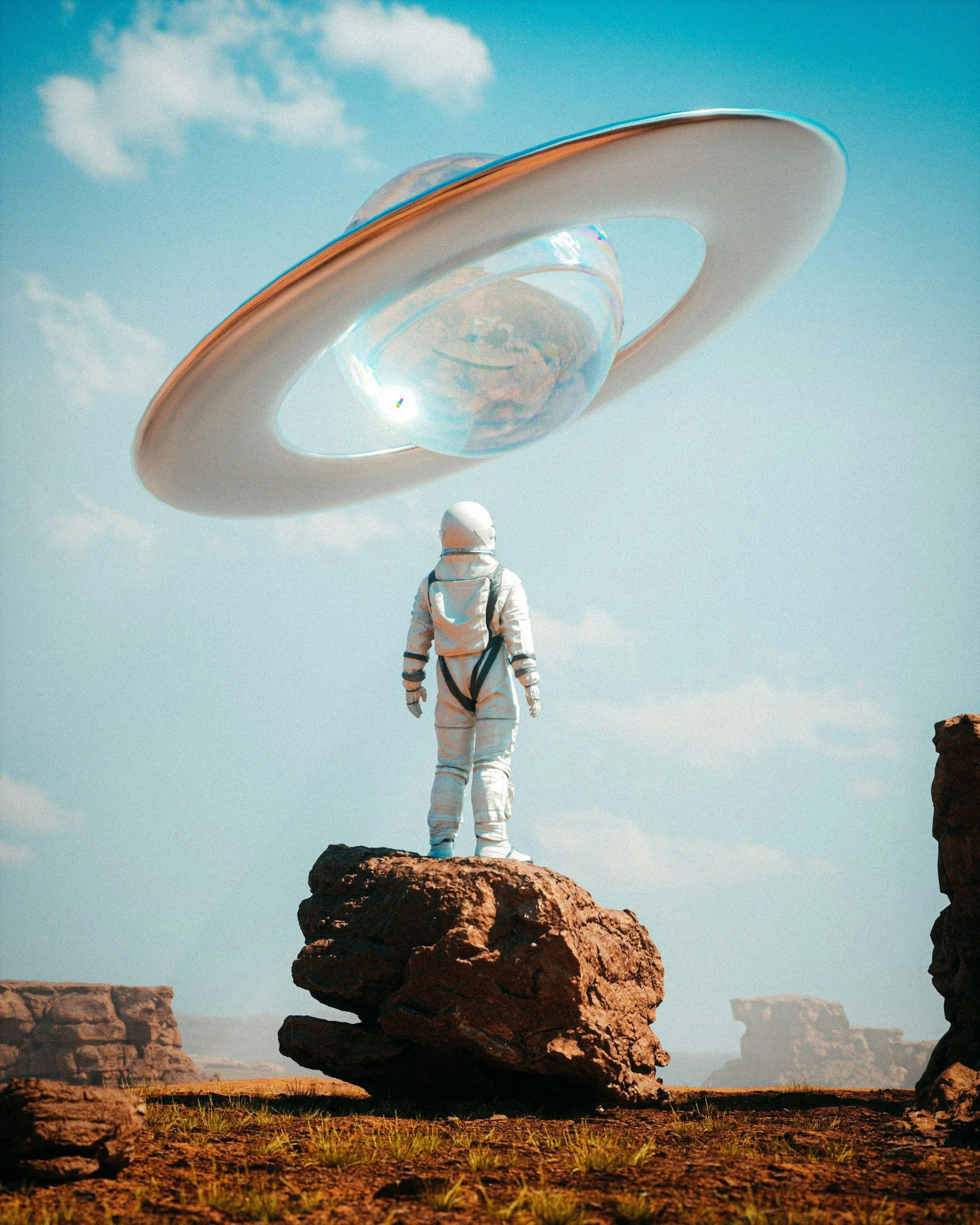
In the 2013 film Ender’s Game, child prodigy Ender Wiggins is recruited with a bunch of other youngsters and trained into fighting what he is led to believe is a formidable enemy, an alien species called the Formics. Ender is chosen because he is neither too violent nor too kind. Much of their training proceeds through simulation. During his training, he starts having visions that lead him to believe that the Formics might be an intelligent species with a desire for communication. Too late he realizes that the simulations are real and that he has ordered the genocide of an entire species.
I’m not sure what I like so much about this film. Maybe it is that due to the conditions of my upbringing I can relate quite a bit to Ender. Because I had a very inquisitive brain, I was constantly put in new situations and presented with new challenges. My team existed before Facebook, Instagram, or TikTok when a generation of kids discovered each other through message boards, game chats, and revealed their stats. I’m not entirely sure what a 1st generation Internet kid has to say about the simulacra we have created now.

I think about my upbringing and this idea that life is a game we are training in and how often we are presented with the idea of wiping out the alien species that ‘poses a formidable threat,’ and I think of another piece of entertainment, the banned book An Ember in the Ashes. In it, the jinn have sought their vengeance on the Scholars by giving power to the Martial Empire to lord over them after the Scholars tricked the jinn and lesser creatures into giving up their mystical secrets and wiped them out. Yet Aspirant Elias has no desire to become powerful or cruel like his mother and grandfather or rule over the Scholars. He wishes to be free of his fate or imagines if ruling the Martials would live as equals with the Scholars. When put to the test of loyalty, he is unable to kill the Scholar spy and only wishes he had chosen his own death before killing his own men to prove his strength. As he steps into the darkness, escaping into the catacombs with the Scholar spy, he realizes those are his first steps into freedom.
Applying as ‘Out’: the Good, the Bad, and the Ugly. Still, I recommend it.
You are writing a cover letter or grant proposal, trying to pitch a book, or hot damn, just want to take somebody out on a date, and you are gay or trans and sitting there thinking to yourself, Do I tell them? For some trans people, concealing transness, whether because they can go stealth or because they have weighed the cost of passing as the wrong gender and still can and think it is worth it, seems plausible; while for others, this option is not even possible. Although I cannot stealth, I have fully transitioned socially, legally, and physically, and this blog entry is going to be an insider’s composite wisdom on how workplaces have reacted to me at various stages in my transition.
Coming out while Working
Whether you are coming out as a new gay or later as trans, you may think that your coworkers are going to be happy for you and celebrate you, but they are not. If they did not know already, you are probably going to get fired. Have a new job lined up. Same goes for entering a new relationship if you started the workplace as a single queer person. Have a new job lined up if you plan to tell them that you have entered a new queer relationship.
Changing Names while Working
Sometimes, it may seem safer to start in the closet in climates such as ours. It’s not. When people find out (and they will) that you have a preferred name or different gender identity, they will start harassing and bullying you based on information associated with the wrong gender.
I have entered the workplace under a former name and a preferred name. When I started with my preferred name, it was more just that the employer was concerned that it was too slow going for me to be always correcting customers and vendors with the saying, “Me llamo es Gene. Mis pronombres son ellos/aquiellos.” The other employees were mostly okay or thought it fun and like working with a trans person was a trick of magic. When I started with the wrong name at another place then changed it, my fellow employees were insistent upon deadnaming and misgendering me. They would make excuses like, ‘oh, I forget,’ 'or ‘I’m sick,’ or ‘you have boobs, though, that’s so hard to remember with what I see in front of me,’ even the queer ones.
Physical/Legal Transition While Working
It’s worth it, but they will fire you since they now cannot legally get away with misgendering and deadnaming you and must actually change their behavior.
Applying While Out
You are mostly respected if you get hired. However, there are bizarrely different standards for you than other people. It’s really hard to find work as a transsexual, and I’m not sure if federal law is really what is holding them back, but transphobia.
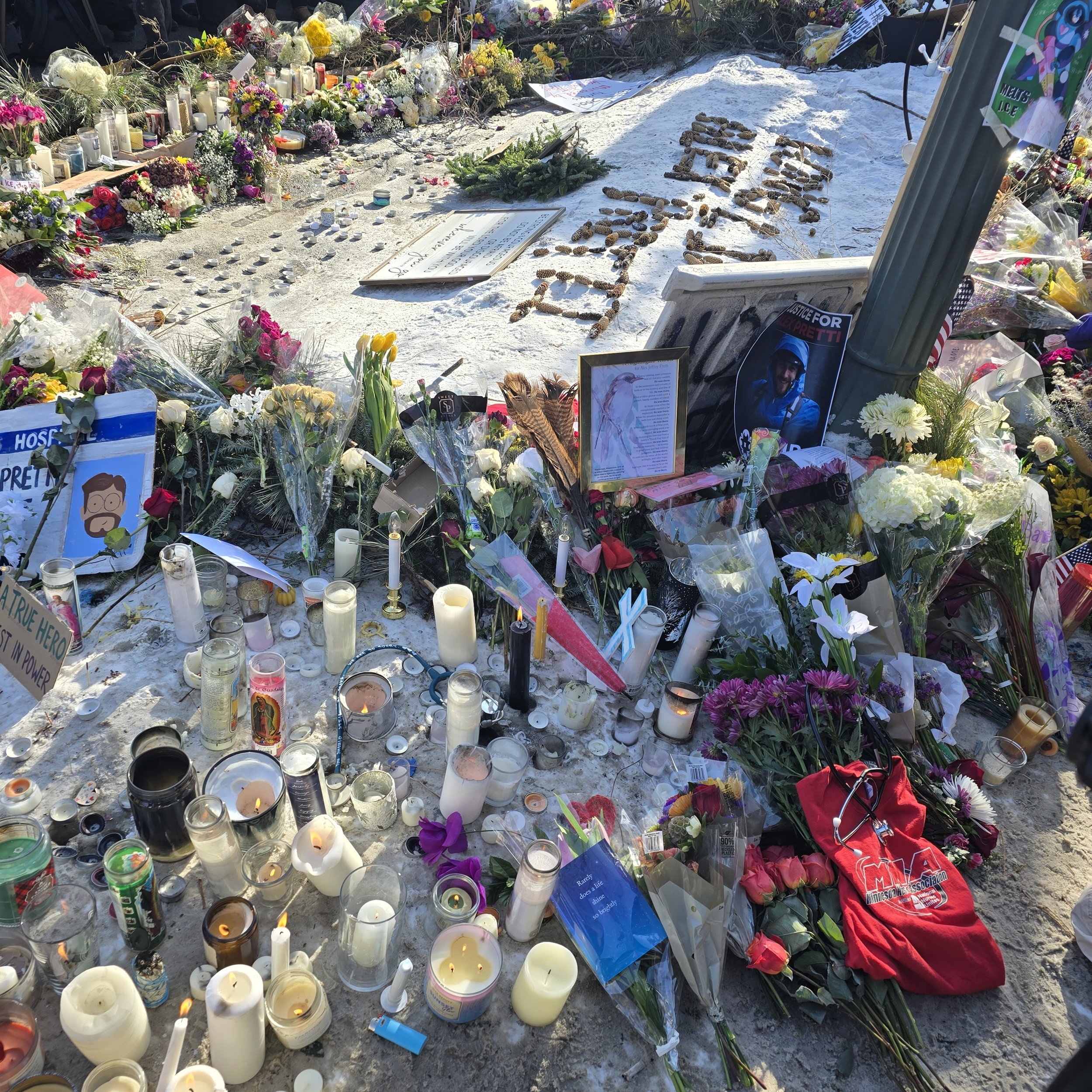
As of Tuesday, 1/27, I resigned from my job at FedEx out of principle. It’s not that there were not also good people there; it’s that I could not continue to stand by a company that did not even reprimand my coworkers for clearly racist remarks. This clear racial profiling amongst my coworkers of the communities we served and defense of their right to collaborate with ICE on these matters demonstrated poor judgment and a misunderstanding of the peoples of and lengthy history of emigration in Minnesota. I am still new to learning this history, though I was born and raised here, but I am not new to the racial demarcation.
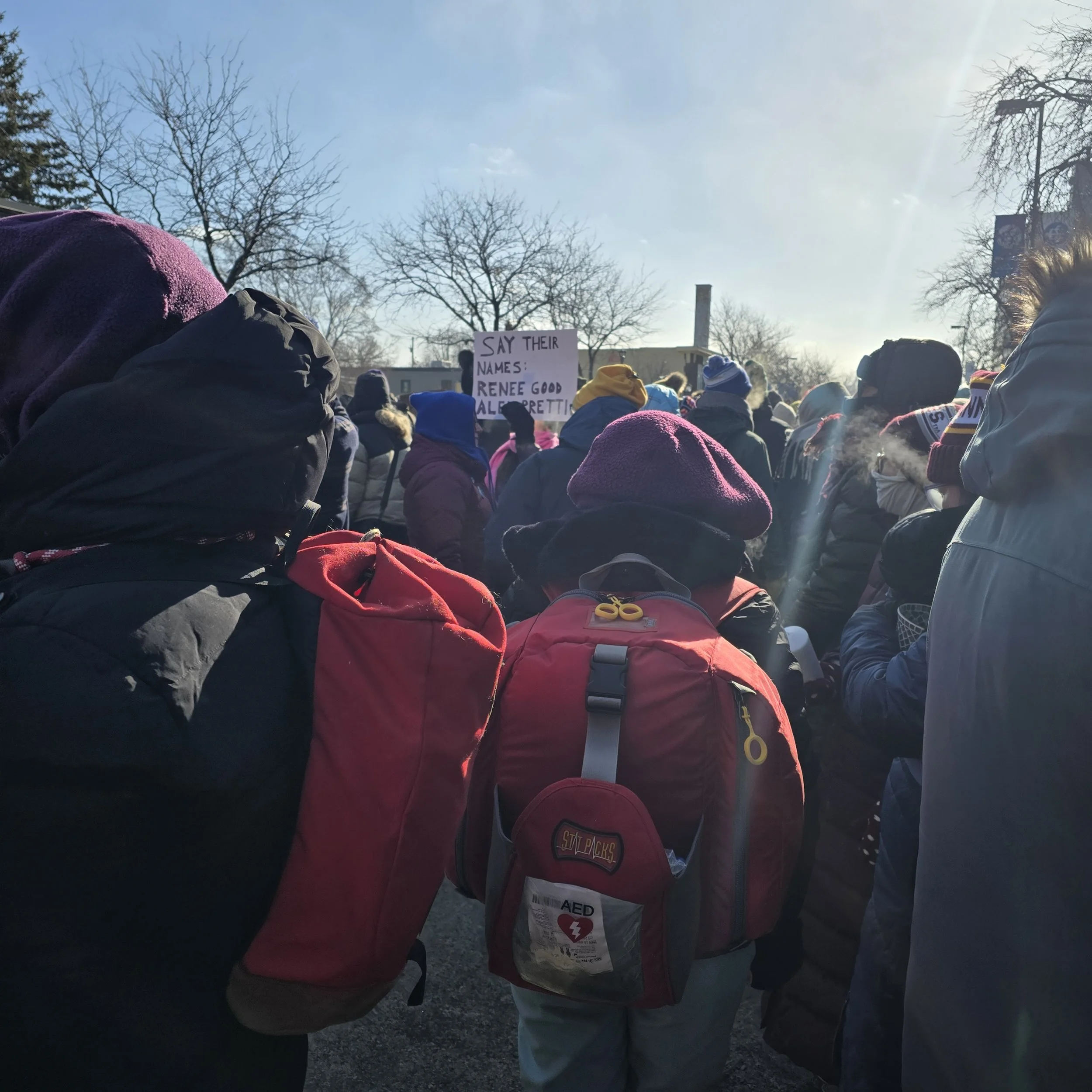
Because my resignation was more of a swift blow to me than The Man, though hopefully quite the statement I intended it to be, I was forced to be reliant upon my community for support. They came through.
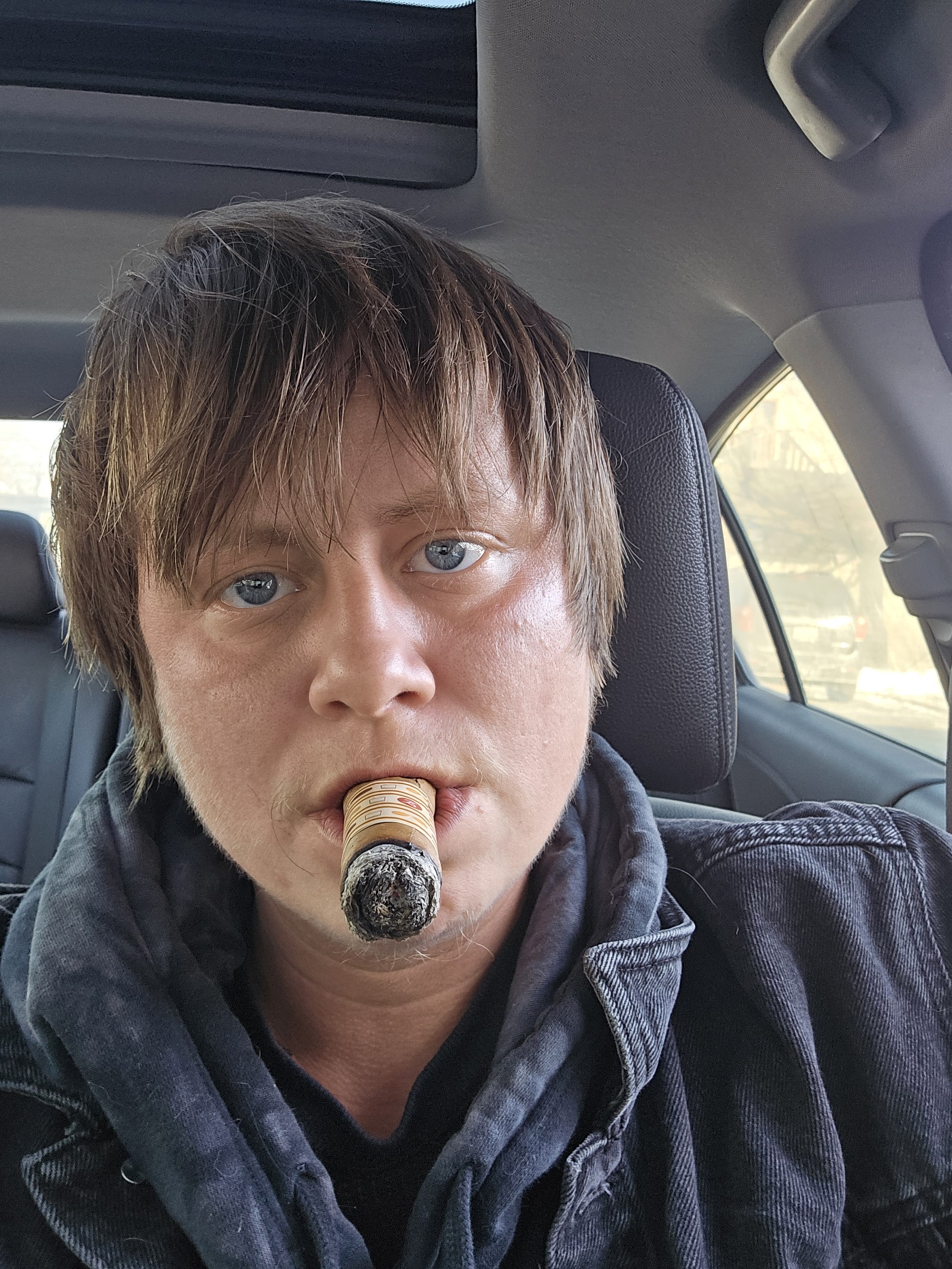
Today, I am not without my vice/habit (tobacco). I was able to get a haircut and put food in the fridge. & I will not be defaulting on my mortgage payment this month with threat of being put out on the streets in winter shortly thereafter.
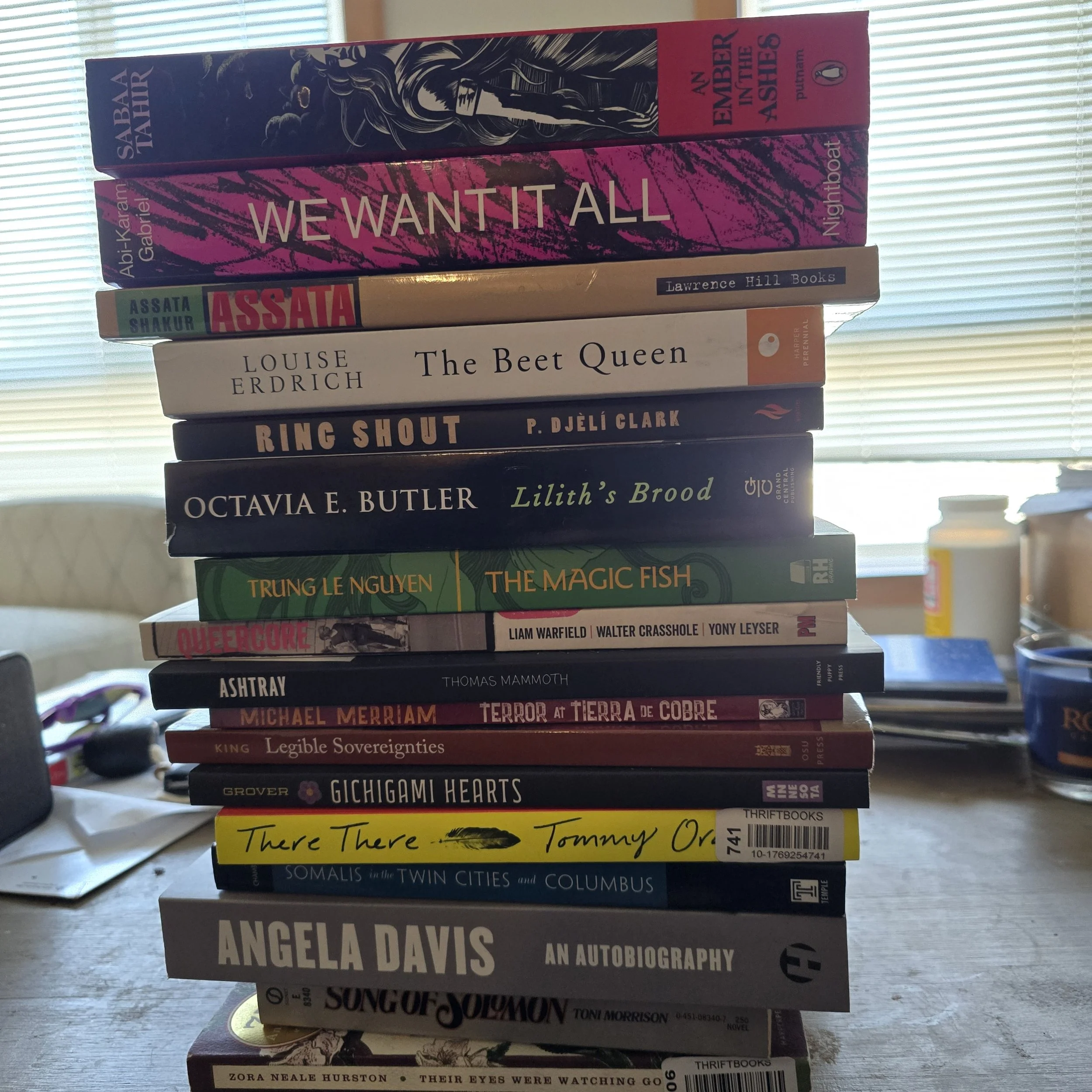
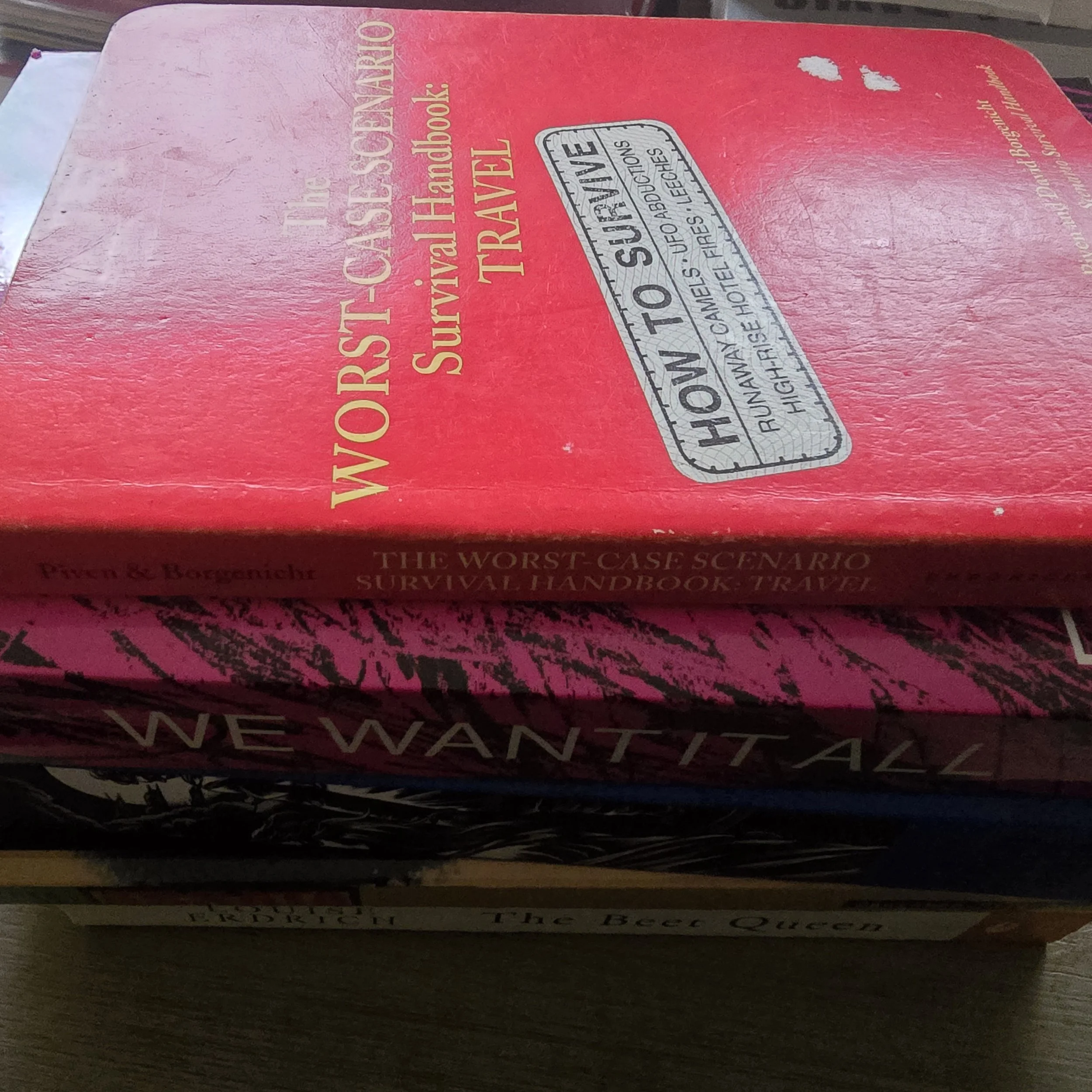
Eugene’s 2026 Reading List
I’ve had more time to read.
I hope that by following my ethics on these matters and doing what I believe was the right thing to do that more doors will be open to me.
This Entry Will Be Entirely Too Personal
I need an oil change and a haircut, but I am almost out of money. I have not been paid by my job since December, though I am technically still employed. They say I have been on an unpaid medical leave, but according to Minnesota’s Paid Leave Law, I should be being paid 55-90% of my wages. I am on leave because I requested an accommodation for a disability in October, an accommodation which was originally denied, then offered an unfair accommodation or the choice to try to seek unemployment. While doing on site work, I reported several instances of sexual harassment and racist remarks, specifically against the Somali communities we service. Shortly thereafter, my approved accommodation expired, and they put me on unpaid medical leave until further notice, and I would later learn that they are collaborating with ICE.
I need another job.
Not only have they been violating my rights as a worker and patient, but they are collaborating with ICE. I have a right to remain silent and not collaborate with ICE. I do not have to allow them entry into my neighborhoods.
I think about this as thousands of ICE agents are spreading across the metro area and greater Minnesota and our governor and Lieutenant Governor are calling upon us to stand together as one community against this threat, and the call could not be more loud.
Official Statement on SAFTA residency
Hi, all,
I am issuing an official statement about my brief writer's residency at SAFTA Firefly Farms in Knoxville, TN, this second week of January 2026.
I sought this residency in August 2025 for research on farm life for my syfy fiction on collective resistance and revolt against the elite class. Before arriving, I had already finished the 4th draft of this novel and sent it off for consideration to a publisher.
SAFTA reached out to me at the first week of January 2026 with a last second opening for a farmhouse residency shared with another unknown resident, and I accepted. I am currently working on 2 fiction sequels.
I arrived at the farmhouse, and the situation seemed agreeable to the other resident who would be in charge of the farm, and Erin and the other resident seemed very empathetic toward the oppression I experienced on the drive down from MN to TN. Security had been called on me at a restaurant then dismissed after I paid because "I was a real T." Apparently, in the South; you can't be a drag, but if you have legally transition, they can't do anything about your presentation. There were also cops all along the interstate from I-94 to I-90 to I-65 and a blockade of several cops in Kentucky. Having returned to Minneapolis now with our Ice crisis, I cannot say that it is worse. They are killing people here. We are in a war zone.
Upon arriving in a red state like Knoxville, TN, with its peaceful streets, I realized that we are in a Civil War. I was grateful for this brief opportunity to escape and hopeful that I would get to work on my writing and scared at the same time that I may not be safe, since I deal with PTSD, and even the safest of environments can be triggering.
The first night there I found a book on the shared return to shelving bookshelf with what looked like a toy closet next to another book that looked like a prison with the word "Subhuman." I am not entirely sure why I was browsing these books - perhaps to see what the other two residents had been browsing, or to see if there were any books of interest there for me, since there really were not in my hidden bookshelf. These two books paired together, though, were very triggering for my PTSD as I had a flashback to being locked in a toy closet with the lights out during nap time by a childcare provider as a child while my siblings got to watch tv. I remember later in life feeling like I had been treated as 'subhuman' as a child. I spent my first afternoon on the farm paralyzed in my room by these two damn covers.
After I came out, the other resident of the farmhouse and I discussed how we were both triggered at first when we got there, but that it was much better now. I was able to turn to my writing and eat. I came to the realization that I can only eat in a place when I feel safe.
Soon afterward, I began noticing the magnets on the refrigerator and their sexual remarks. I tried to discourage them because I do not just hook up with people. Like any person, though, I also feel sexual energy, especially when a sexual environment has been created, and am on testosterone. I did not feel like I should be feeling this way and worried that my energy might be being disruptive, so I spoke to the other resident since she was in charge of the buildings and asked to be moved to another building. I explained that she seemed cool and that I wanted an authentic connection with her but that I was getting sexual energy. She said no, stay, and that there was a chipmonk up there, and that she just felt platonic and to stay away if I felt sexual. I agreed that this would not be a problem.
Later, she called the owner and reported that she felt "uncomfortable" and the owner called me and said that I had to go because I was "sexually harassing" her, though she was the one calling me beautiful and "girl," though I am a man, and putting sexual remarks on the fridge.
After I cleaned up and left peacefully, I realized there was something off about the situation. The other resident in a moment of confidence had confessed that her family had been a part of an African cult when she was a child and that they were Baptists and Methodists now in Georgia and working with the FBI. When she told me this, it had not quite registered that she might have mistook me for an agent since I had identified the place as a rainbow sheep farm to a friend, or that she might actually be there to observe and report on the activities of the farm and trans people, specifically.
Trans people are currently being monitored by the FBI right now, especially those who have been involved in Palestinian activism or other forms of activism, and I, most certainly, am one of those people.
I am not 100% certain, but it feels a little like she was trying to set me up. I'm glad I got out of there safely. Unfortunately, because of her accusations, my bridge has been burned with SAFTA. The owner does not seem to understand that they or she had control of the temperature and other environmental factors of the building through a Nest.
I have returned to MN and wish them the best in the world and hope for their safety. If there are any governmental officials monitoring me, you can sure bet that you will continue to be reading my great literature, and so, too, will everyone else.
I’m on Trump’s Naughty List
Insert Future Announcement (hopefully!!)
When I first released my statement on Project 2025 in November of 2024, I predicted based on its AI summary that it would seek to promote policies that emphasize division based on identity. The summary suggested that at the hands of a conservative think tank we would be “restoring constitutional governance, reducing the size of government, and ensuring that the judiciary aligns with conservative principles”; however, in reading closer, I identified that there would be more government tracking of our data and more government influence on states and individuals. Additionally, when Project 2025 discussed restoring constitutional governance, it talked about retracting amendments as related to Civil Rights legislation; whereby, ignoring the legal system implemented in our country for a version of their own choosing. Scroll down my Blogs to read more.
This was never about traditional family and Christian values. We, the people, have been holding Trump and the system accountable, and trans people have been unrelentless in this effort. This is about power. Those in power have lived corrupt lives, have been corrupt in office, and have gotten to office by means of corruption and intimidation. We call their values to question and the very lives they model that they wish us also to live.
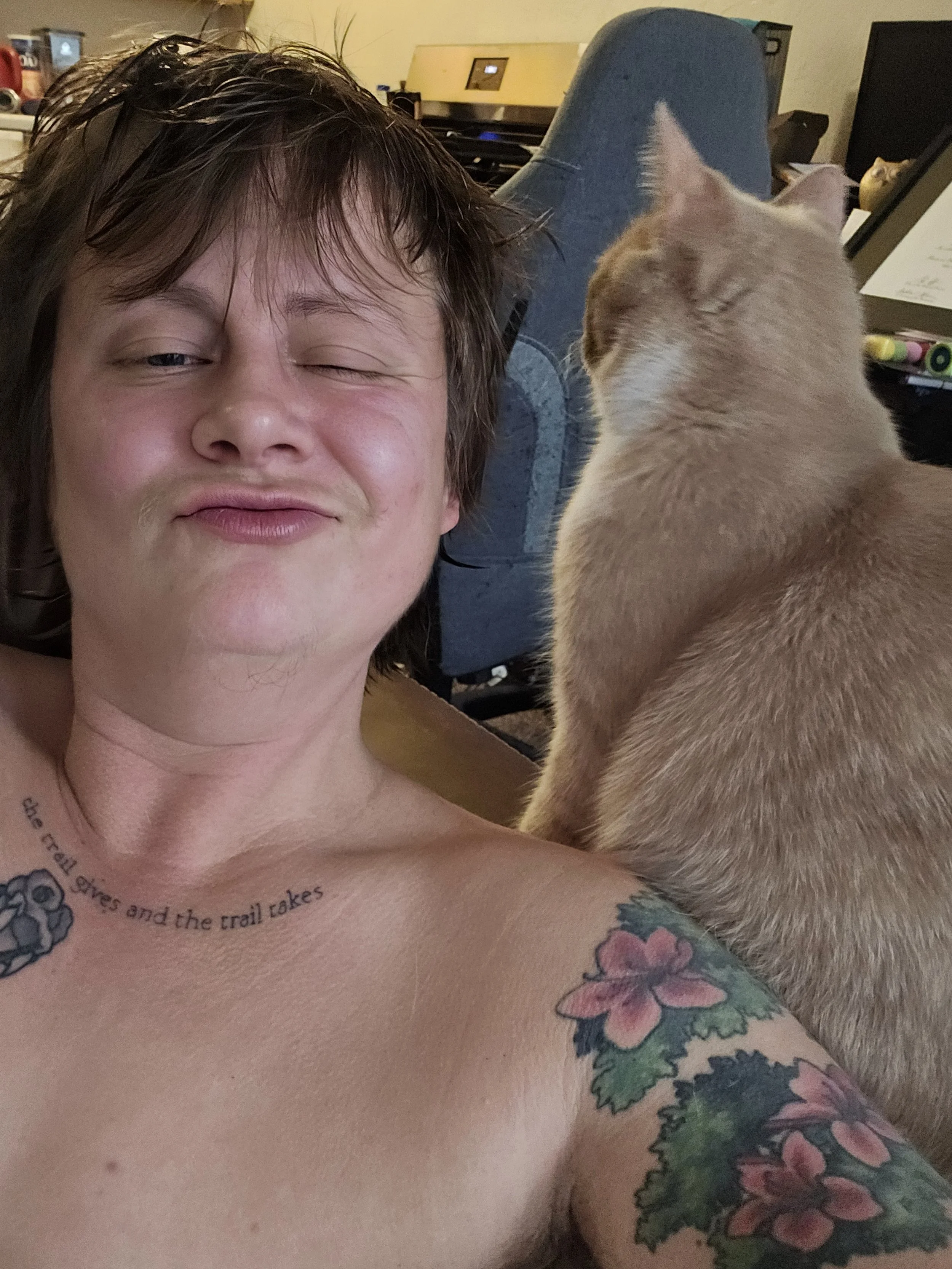
Lucy looking at ‘yo daddy’s kitchen’
I have been between working class and lower middle class all my adult life. I know what work is. I understand wanting to have enough to leave behind something for your children or to help your community, and what if your community is your country. Yet our country, our great United States of America, consists of more than one people. We are a land of many peoples, of many identities. We are the land of both the descendants of those enslaved and slaveholders, but also, immigrants who never knew slavery but were part of feudal and class warfare. We are people who lived this land before us. We are many colors and religions. Each culture has its own belief or view and acceptance of sexuality and gender. The purpose of laws is to protect the most vulnerable, and the most vulnerable are those of us with different abilities, yet these laws are often more of a prison and a confinement than a protection of our right to life, liberty, and the pursuit of happiness.
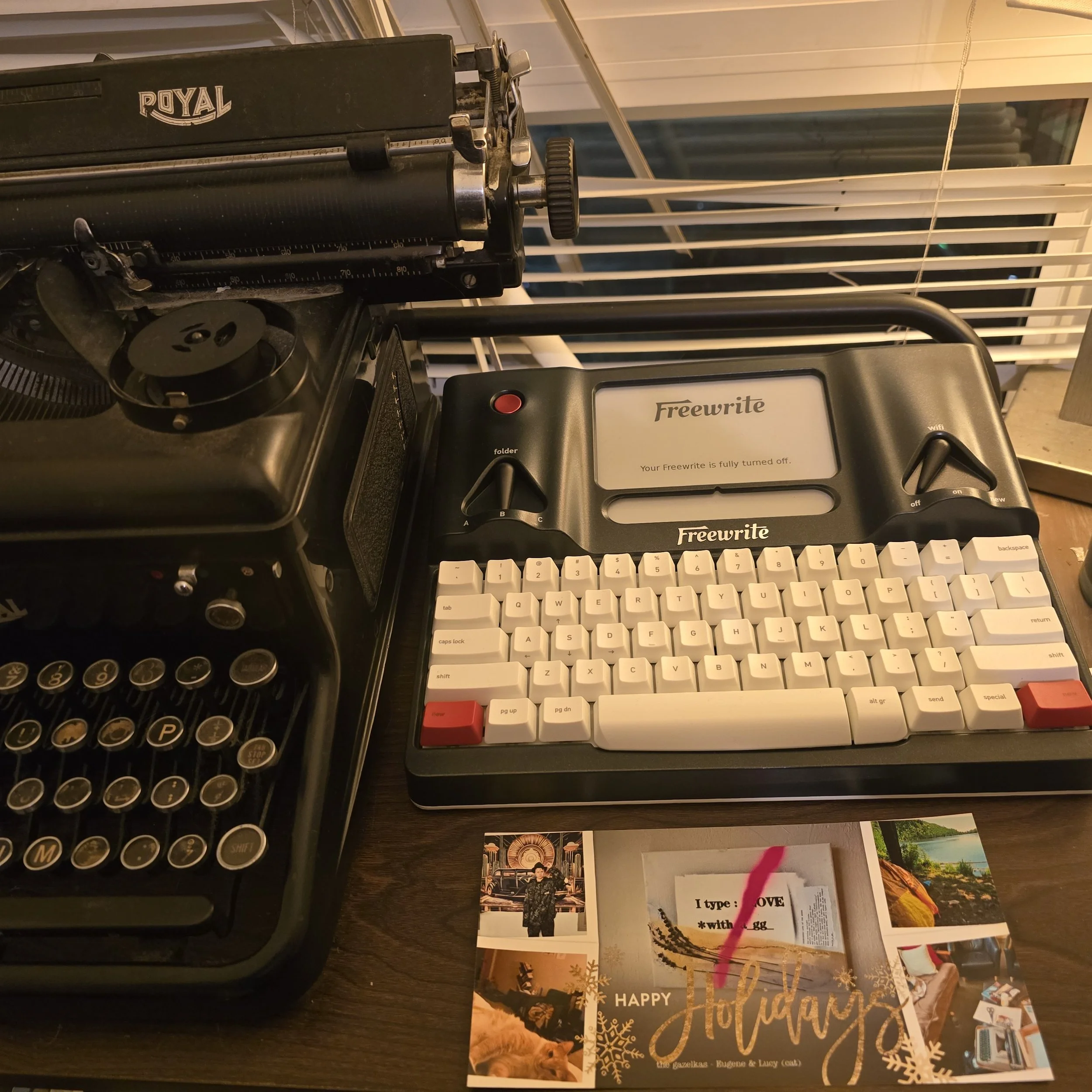
Gene’s holiday greeting card
For this, I am on Trump’s naughty list, for thinking that the corrupt who live lavish lives and exploit the helpless in all manner of ways do not deserve the right to decide our fates.
Happy Birthday 2025

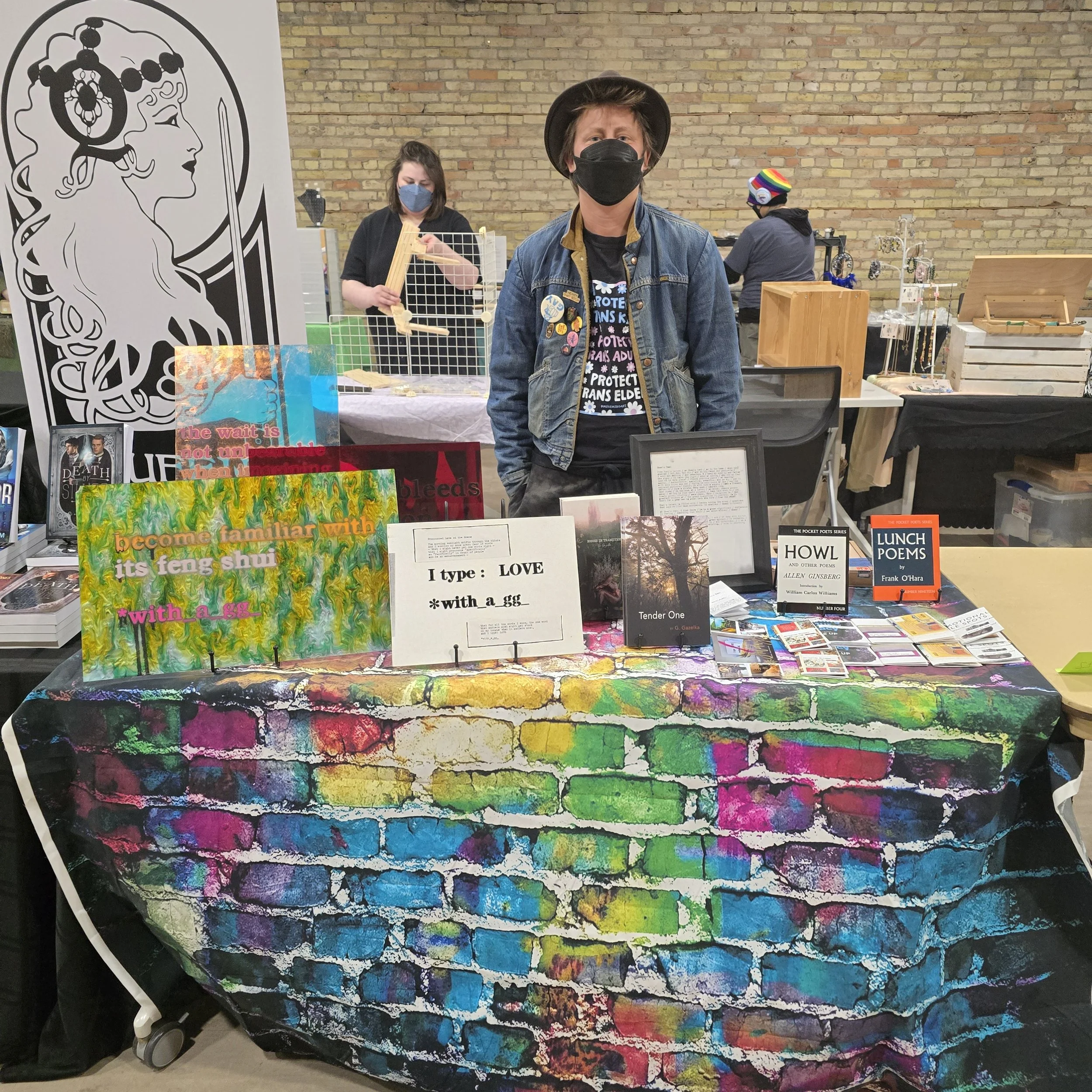
Bodies in Transition has now reached the hands of 100 people!
Data suggests that self-published authors only sell on average 50-100 books. I’m here to tell you that your dream is possible. Independently published through Amazon KDP with a little help from my friends over at Jack Wild Publishing, Bodies in Transition has now reached the hands of a little over a 100 people. What wonderful news to realize during my birthday week!
I’ll be at Queer Market at Open Book on Nov. 29th, and I hope a few more friends decide my book is worth the read. Regardless, I am plucking away at my other two prospective books (1 fiction, 1 poetry) and trying to figure out my best options for them. Please come see me at Queer Market and support, however that looks- whether that means buying a Zine or chatting me up about my latest books I’m writing!

As a final bit of author announcement to wrap up this post, I took First in the Stevens Family Award at the 2025 Minnesota Poetry Prizes Gala with my poem “Sham’s Tomb.” It was a wonderful surprise with mixed feelings as I have recently lost an old family friend. I was not entirely close with her, but I grew up with her kids, and it was just such an odd coincidence to receive an award by the same name the month of her death. Rest in peace.